How are a performer's choices effected by the genre they're working in?
I finally caught Guillermo del Toro's adaptation of Frankenstein this weekend, which I greatly enjoyed.
Bold liberties were inevitably taken with Mary Shelley's original, but that's precisely what you want from a film adaptation. del Toro's vision is a personal one there's no attempt to create a faithful version. The themes of the novel are honoured, but in unconventional and creative ways.
𝗕𝘂𝘁 𝘄𝗵𝗲𝗻 𝘆𝗼𝘂'𝗿𝗲 𝗻𝗮𝗿𝗿𝗮𝘁𝗶𝗻𝗴 𝗮 𝗰𝗹𝗮𝘀𝘀𝗶𝗰 𝗯𝗼𝗼𝗸, 𝘁𝗵𝗲 𝗺𝗮𝗿𝗴𝗶𝗻𝘀 𝗳𝗼𝗿 𝗶𝗻𝘁𝗲𝗿𝗽𝗿𝗲𝘁𝗮𝘁𝗶𝗼𝗻 𝗮𝗿𝗲 𝗻𝗲𝗰𝗲𝘀𝘀𝗮𝗿𝗶𝗹𝘆 𝗳𝗮𝗿 𝘀𝘁𝗿𝗶𝗰𝘁𝗲𝗿.
➡️ You can't change or cut the words.
➡️ You have to honour the author's vision.
➡️ And you also need to be mindful of the medium.
A great example of this is the VOICE of Frankenstein's 'monster'.
In del Toro's adaptation, I think Jacob Elordi does a wonderful job in charting the character's progress 𝙏𝙃𝙍𝙊𝙐𝙂𝙃 the voice.
He starts as an infant, only able to repeat the name of his creator, 'Victor'. This repetition (and apparent lack of mental progression) is what ends up trigger his rejection by Victor Frankenstein, rather than his physical appearance.
He then begins to learn language through observations of others, and even adopts the colloquial accent in which they speak.
And then he finally finds his own voice, shaped by the eloquence of his reading.
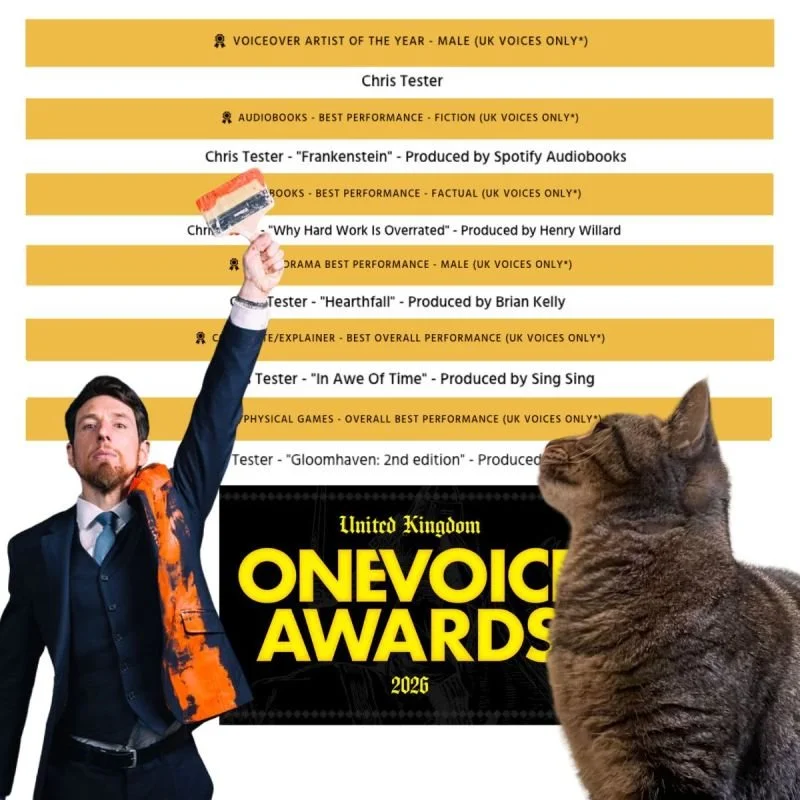
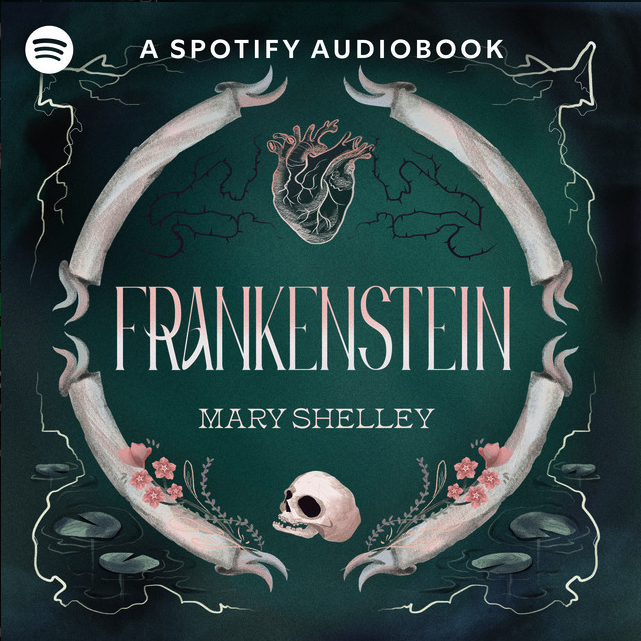
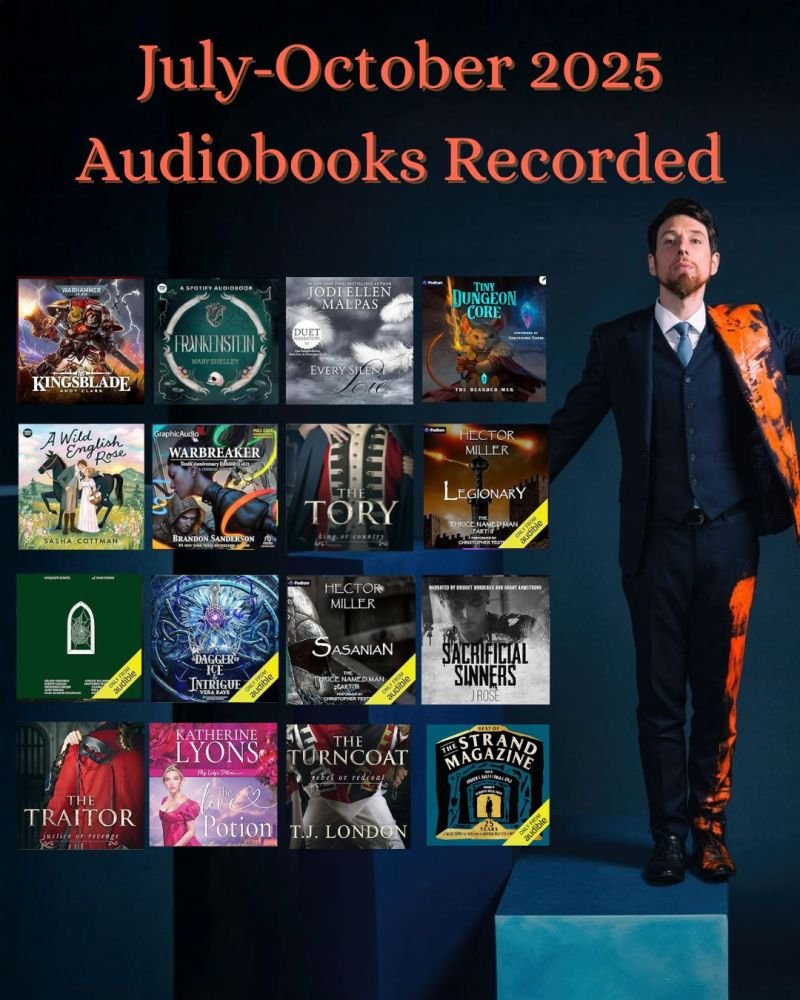
I recently had the honour of recording Frankenstein for Spotify Audiobooks, which presents it's own challenge.
In the book, the Monster first speaks 100 pages in, when he's already reached the end of the cycle described above. And he is already INCREDIBLY articulate - to a Shakespearean degree. Below is his first meeting with Victor, and the contrast between Victor's inarticulate rage and his creation's reasoning is stark.
I still wanted to honour the unnatural nature of the Monster in his speech. But slowing the voice too much or adding some form of physical impediment I felt would run counter to Shelley's writing. He also proceeds to narrate the next half a dozen chapters, so it can't be a performance that draws attention to itself consistently.
𝗦𝗼 𝗶𝗻 𝗺𝘆 𝘃𝗲𝗿𝘀𝗶𝗼𝗻, 𝗜 𝗱𝗲𝗰𝗶𝗱𝗲𝗱 𝘁𝗼 𝗳𝗼𝗰𝘂𝘀 𝗼𝗻 𝘁𝗵𝗲 𝗧𝗥𝗔𝗡𝗦𝗜𝗧𝗜𝗢𝗡.
The monster starts at a deeper pitch, with gravel in the voice, but becomes lighter and faster as he progresses. By contrast, Victor Frankenstein (who started methodical and controlled) becomes increasingly bestial. Over the course of the book, this was my way of conveying meaning through performance while still serving the medium I'm working in.
A huge thank you to Rinn K. for granting me such a wonderful opportunity. And if you were thinking of checking out the book thanks to del Toro, here’s the Spotify link to my narration!
(As explained on social media the reviews pertain to an earlier edition and not mine, so don't be put off my the middling rating - it's good... In my opinion.... HONEST)
Also available on Storytel and Booktopia
Need a compelling, award-winning voiceover?
Check out my Audiobook Demos here
Contact me here and we can discuss your voiceover needs directly
By Christopher Tester, British Male Voice Actor